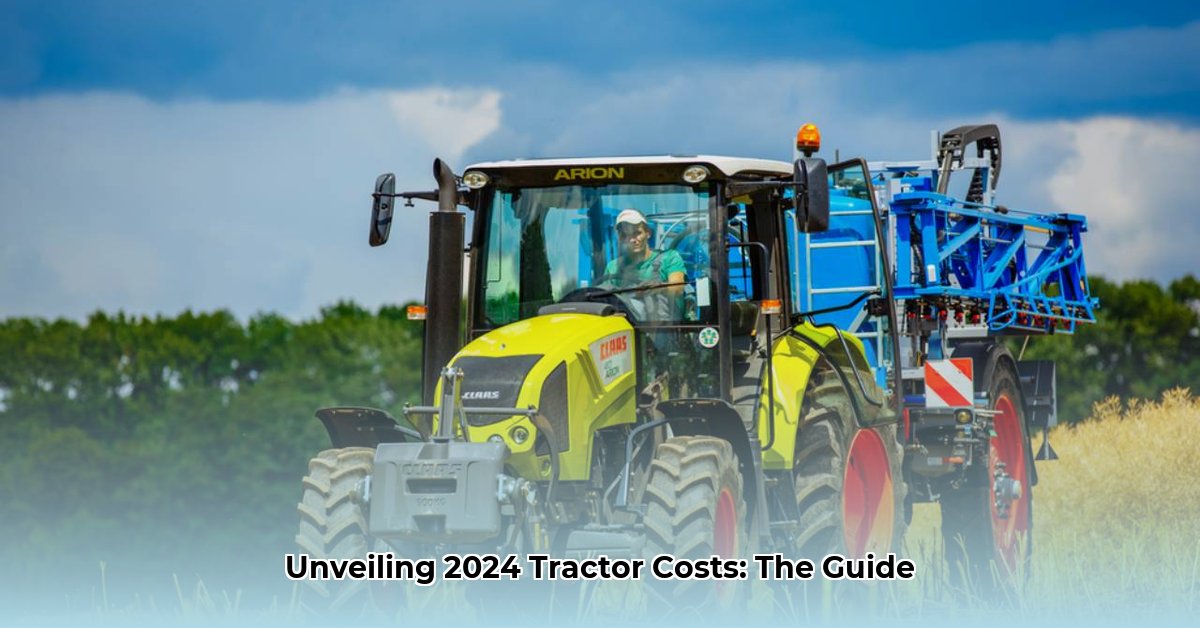
Tractor Costs: A Comprehensive Guide for 2024
Buying a tractor is a significant investment, and understanding the associated costs is crucial for making an informed decision. Prices vary dramatically depending on factors like size, age, brand, and features. This guide provides a detailed breakdown of new, used, and rental tractor costs, helping you navigate the market and choose the best option for your needs. For even more detailed cost analysis, check out this helpful resource: Tractor Cost Guide.
New Tractors: The Premium Choice
New tractors offer the latest technology, warranties, and peak performance. However, they come with a hefty price tag. Costs vary widely:
- Small Compact Tractors: $9,000 - $50,000
- Mid-Sized Tractors: $25,000 - $100,000
- Large Tractors: $100,000+ (some exceeding $600,000)
Additional attachments like front-end loaders can add $3,000-$6,000 or more to the total cost. But are the advantages worth the higher upfront cost? Consider the potential for greater fuel efficiency and lower long-term maintenance costs with a new machine. This is especially important considering the rising costs of fuel and maintenance.
Used Tractors: Balancing Cost and Risk
Used tractors offer a more affordable entry point, but require careful consideration. Prices range from approximately $5,000 to over $80,000, depending on:
- Age and Hours of Operation: Fewer hours generally mean higher value.
- Condition: A thorough pre-purchase inspection is paramount.
- Brand and Horsepower: More powerful models from well-established brands command higher prices.
- Parts Availability: Ensure parts are readily available for older models to avoid costly delays in repairs.
Remember, a used tractor is a gamble. A pre-purchase inspection by a qualified mechanic is a worthwhile investment to avoid costly surprises. What hidden problems might lurk beneath the surface? A careful assessment can prevent unnecessary expenses further down the line.
Rental Tractors: Flexibility for Short-Term Needs
Renting is ideal for short-term projects or infrequent use. While there's no significant upfront cost, you pay hourly or daily rates. This is a flexible option, but hourly or daily rates can add up over time. Is renting a better financial option than buying if your tractor use will be limited?
New vs. Used vs. Rental: A Comparative Analysis
| Feature | New Tractor | Used Tractor | Rental Tractor |
|---|---|---|---|
| Upfront Cost | Very High | Low to Moderate | Low |
| Long-Term Costs | Moderate (maintenance, fuel) | Potentially High (repairs, parts) | Moderate (rental fees) |
| Reliability | High (warranty) | Variable; depends on condition and maintenance | Moderate |
| Technology | Latest features | Older technology | Varies greatly |
Actionable Advice for Various Stakeholders
Farmers/Large Landowners: Consider the long-term costs, maintenance needs, and potential for increased efficiency from newer technology. Used tractors are attractive but require careful inspection and budgeting for potential repairs.
Small Landowners/Hobbyists: A compact new or used tractor may suffice. Renting remains a viable option for infrequent use. Prioritize maintenance to maximize lifespan and minimize downtime.
Equipment Dealers: Offer transparent pricing, thorough inspections, and flexible financing options for both new and used tractors. Promoting warranties and extended service contracts boosts customer confidence and long-term loyalty.
Manufacturers: Focus on fuel efficiency and reliable design, considering the rising cost of fuel and environmental regulations. Providing access to parts makes a significant impact on customer trust and satisfaction.
Navigating the Risks of Tractor Ownership
The high initial cost is a major risk, but financing or leasing can mitigate this. Other risks include:
- Mechanical Failure: Regular maintenance and pre-purchase inspections significantly reduce this risk.
- Technological Obsolescence: Choosing features that meet current needs, rather than the latest bells and whistles, can help.
- Part Availability: Prioritize models with readily available parts for older tractors.
Regulatory Implications and Future Costs
Environmental regulations concerning emissions and fuel efficiency will continue to impact tractor costs. Manufacturers must comply with these standards, potentially leading to higher prices. Government incentives and subsidies may offset some of these costs.
Conclusion: Planning for Success
Choosing a tractor requires careful planning and consideration of all factors—initial cost, long-term expenses, and potential risks. Thoroughly research your options, carefully inspect used machinery, budget for maintenance, and prioritize reliability for long-term cost-effectiveness.